Sports clubs play a crucial role in modern society, bringing together people of all ages, social backgrounds, and fitness levels around a shared goal – maintaining physical health, developing athletic skills, and fostering team spirit. Their activities go beyond training and physical exercise; they also promote socialization, discipline, responsibility, and provide opportunities for people to experience positive emotions and a sense of achievement.
Modern sports clubs can have different specializations. Some focus on team sports such as football, basketball, volleyball, or hockey, where coordination, strategy, and collaboration among players are key. Others offer individual sports like tennis, golf, swimming, wrestling, or athletics, where personal progress, self-discipline, and control over one’s physical abilities are essential. Additionally, the popularity of fitness centers and gyms is growing, providing spaces for people to improve physical condition, manage weight, and enhance overall well-being.
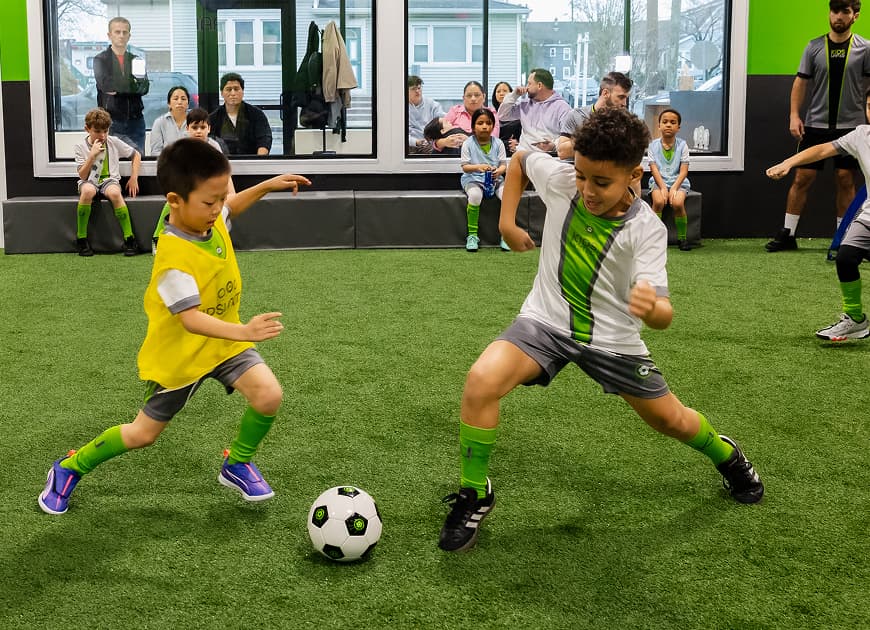
A key aspect of sports clubs is the preparation of professional coaches and mentors. They not only teach techniques and rules but also motivate participants, ensure safety, help prevent injuries, and promote healthy habits. For children and teenagers, sports clubs often serve as a place to develop not only physical skills but also social competencies – teamwork, handling victories and defeats, conflict resolution, and building friendships.
Sports clubs also organize competitions, tournaments, workshops, and sports festivals. These events encourage participants to improve skills and showcase achievements. For professional athletes, clubs can be a platform for career development, participation in national and international competitions, and attracting sponsorship opportunities.
Accessibility is another important factor. Modern infrastructure, construction of advanced facilities, children’s sports sections, and online training programs make sports available to a broader audience. Some clubs offer flexible memberships, allowing people to balance training with work or studies and tailor programs to individual goals.
Beyond physical benefits, sports clubs serve social functions. They create communities based on shared interests, promote a healthy lifestyle, and encourage active leisure instead of sedentary habits. In large cities, clubs often act as social hubs, hosting group workouts, children’s sports camps, thematic events, and educational programs on proper nutrition and physical development.
With technological advancement, sports clubs increasingly integrate digital services – from online booking and progress tracking apps to personalized training plans. These tools help participants monitor development, receive feedback from coaches, and stay motivated outside the club.
In conclusion, sports clubs have a multifaceted role in people’s lives. They support physical and mental health, foster social interaction, develop skills and talent, and create an environment that encourages active living. By combining professional training with social engagement, sports clubs make athletics not just a means of physical growth but an essential part of personal and community life.
Right